
The psychology behind the thrill of gambling what makes it addictive
The Allure of Uncertainty
The thrill of gambling often stems from the unpredictability it offers. This uncertainty triggers the brain’s reward system, releasing dopamine, a neurotransmitter associated with pleasure and satisfaction. When a player bets, they experience a rush as they anticipate the outcome, leading to heightened excitement and engagement. This cycle of hope and anxiety creates an addictive loop, enticing players to gamble repeatedly in search of that euphoric high. For more gaming options, you can visit https://lucky-pays.co.uk/games/ where new players can find exciting opportunities.

Furthermore, uncertainty plays a crucial role in shaping gambling behavior. Players may focus more on the potential for big wins than the odds of losing. This cognitive bias can lead to overestimating one’s chances of success, driving individuals to engage more frequently in gambling activities. Research indicates that intermittent reinforcement—receiving rewards at irregular intervals—strengthens this behavior, making it increasingly difficult for individuals to resist the urge to gamble.
The thrill of the unknown often sparks curiosity and exploration. Players may find themselves drawn to new games or betting opportunities, as each decision carries its own unique set of possibilities. The excitement of trying something new can enhance the overall gambling experience, creating an environment where the next win feels just around the corner. This compulsion to explore further fuels the psychological aspects of addiction.
The Role of Cognitive Biases
Cognitive biases significantly impact gambling behaviors and contribute to its addictive nature. One prominent bias is the « gamblers’ fallacy, » where players mistakenly believe that previous outcomes affect future ones. For instance, if a player sees several losses in a row, they may feel a win is « due, » prompting them to increase their bets. This flawed reasoning leads to a cycle of increased risk-taking and can deepen their financial commitment to gambling.
Another cognitive bias affecting gambling addiction is the « illusion of control. » Many players believe they can influence outcomes in games of chance, such as slot machines or roulette. This sense of empowerment can create a false perception that skill can determine success, reinforcing the desire to gamble. The combination of these cognitive biases forms a potent cocktail that makes the prospect of gambling irresistible, as players continually seek to validate their beliefs.
Moreover, social and environmental factors also play a role in amplifying cognitive biases. Peer pressure, societal norms, and exposure to gambling activities can normalize risky behaviors, making individuals more susceptible to falling into addictive patterns. The more an individual is surrounded by gambling culture, the more likely they are to adopt these biases, further entrenching their gambling habits.
The Psychological Impact of Wins and Losses
Wins and losses serve as powerful psychological motivators in gambling. The euphoric feelings associated with winning trigger positive emotions, reinforcing the desire to continue gambling. Conversely, losses can lead to frustration and a desperate need to recoup those losses, often prompting players to bet more aggressively. This cycle creates a tumultuous emotional landscape where highs and lows intertwine, intensifying the overall gambling experience.
Additionally, the psychological impact of winning can lead to distorted perceptions of wealth and self-worth. Players may develop a belief that their identity is tied to their gambling success, leading them to chase losses in a bid to prove their skill or luck. This mindset often fosters a detrimental cycle where self-esteem becomes closely linked to gambling outcomes, driving individuals to engage in excessive gambling behaviors.
Ultimately, the psychological effects of wins and losses can create a dependency on gambling as a means of emotional regulation. Individuals may turn to gambling as a coping mechanism for stress, anxiety, or depression. As they increasingly rely on gambling to manage their emotions, the likelihood of developing a gambling addiction escalates, illustrating the intricate interplay between psychology and the thrill of gambling.
The Social Environment and Gambling Addiction
The social environment significantly influences gambling behavior and its potential for addiction. Social interactions, such as group betting or participating in gaming events, can enhance the excitement and thrill of gambling. Individuals are often motivated to gamble more when surrounded by friends or peers, leading to a sense of community and shared experience. This camaraderie can normalize gambling behaviors and further entrench individuals in their addictive patterns.
Moreover, the rise of online gambling has transformed the social landscape, allowing individuals to engage in gambling activities from the comfort of their homes. This accessibility can exacerbate addiction, as players are less likely to feel the immediate social consequences of their actions. Online forums and chat rooms can also foster a sense of belonging, encouraging players to share their experiences and validate each other’s gambling behaviors.
Finally, the role of advertising and marketing in promoting gambling cannot be overlooked. Promotions, bonuses, and advertisements often target vulnerable individuals, creating an enticing narrative around gambling as a fun, socially acceptable activity. This exposure can lead to increased participation and normalization of gambling, further complicating efforts to address addiction within society. Understanding the social dynamics at play can help inform strategies for prevention and support.
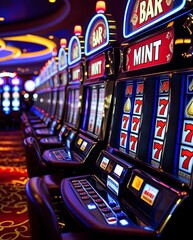
Experiencing the Excitement at Lucky Pays Casino
For those looking to explore the world of gambling, Lucky Pays Casino offers an engaging online experience. With a wide variety of slot games, live casino options, and sports betting, players can immerse themselves in the thrill of gaming from the comfort of their homes. The platform is designed to provide users with valuable insights into the latest promotions and bonuses, enhancing their overall experience and adding an extra layer of excitement.
Moreover, Lucky Pays Casino features user-friendly navigation, ensuring that both new and experienced players can easily find their favorite games. The ability to explore numerous gaming options in one place creates a sense of adventure and discovery, which can be particularly appealing for those drawn to the psychological thrill of gambling. The interactive nature of the site allows players to engage and connect, making the experience even more captivating.
Ultimately, Lucky Pays Casino embodies the thrill of gambling while promoting responsible gaming practices. By offering players a diverse range of games and incentives, it fosters an environment where excitement and fun can be enjoyed safely. As individuals venture into the world of online gambling, understanding the psychological elements at play can help them navigate their experiences more mindfully.